New research offers insight into how laser treatment improves burn scars
Although laser therapy is widely used to help ease scar symptoms, why and how it reportedly helps wasn't understood

Monday 13 April 2026
A team from the SMOOTH Trial at The Scar Free Foundation Centre for Conflict Wound Research have made a major new discovery, showing that CO₂ laser treatment can effectively “reprogramme” burn scar tissue at a cellular level.
Published in Nature Portfolio, the study reveals why some hypertrophic scars respond well to laser therapy while others do not, uncovering key biological differences within the tissue.
Importantly, the findings suggest that earlier intervention may trigger a stronger regenerative response, highlighting the critical role of timing in achieving the best outcomes for patients.
After a serious burn, some people develop raised, thick scars known as hypertrophic scars. These can feel tight, itchy or painful, and may restrict movement.
While laser therapy is already widely used to treat these scars, until now it has not been fully understood whether the treatment works, or how it works, beneath the skin’s surface.
In this study, researchers analysed skin samples from patients undergoing CO₂ laser therapy, examining the different types of cells within the scar tissue.
They found that scars are far more complex than previously thought, made up of a mix of cells linked to both inflammation and healing.
Following treatment, cells associated with inflammation and stiffness became less active, while those linked to repair and regeneration became more prominent.
This suggests that laser therapy is not only improving the appearance of scars, but actively changing how the tissue behaves, helping it function more like healthy skin.
These deeper biological changes help explain why patients often experience improvements in symptoms such as tightness, pain and discomfort, moving beyond surface-level effects to more meaningful, restorative healing.
The findings open the door to more targeted and personalised approaches to scar treatment in the future, as well as the potential to develop new therapies that focus on specific cell types within scar tissue.
While further research is needed, this study marks an important step forward: helping us better understand not just that treatments work, but why they work, and how they can be improved.
Huge congratulations to Prof Janet Lord, Prof Naiem Moiemen, Yvonne Wilson and Abdulrazak Abdulsalam MBBS, MSc, MRCSEd, FWACS(Plast), every clinician, and each patient, who have made these findings possible!
The study was undertaken as part of The Scar Free Foundation Centre for Conflict Wound Research at the University of Birmingham. The Centre was funded by a grant from HM Government LIBOR Fines Fund, administered by the Armed Forces Covenant Fund Trust (AFCFT).
The Foundation would like to thank AFCFT for their generosity and support of our conflict wound research.
We’re so proud to support such impactful work – and it’s thanks to supporter generosity that we can fund life-changing research. If you’re interested in giving to fund world-leading research improving life for those with scars,
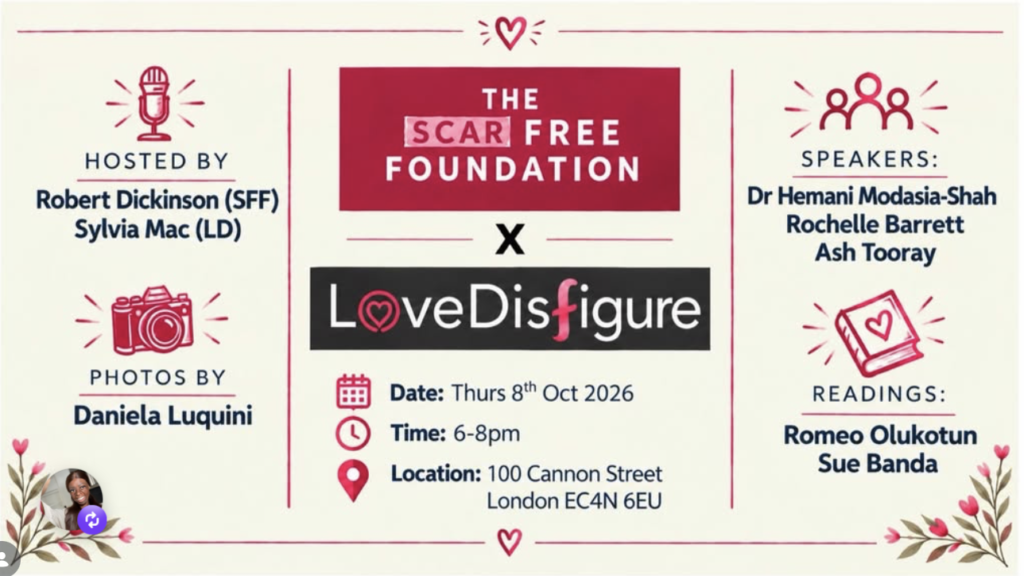
Join Love Disfigure and The Scar Free Foundation in London for an evening of creativity and connection
Come along to Cannon Street on Thursday 8 October for a very special event organised by burns survivor Sylvia Macgregor, founder of Love Disfigure.
Read: Join Love Disfigure and The Scar Free Foundation in London for an evening of creativity and connection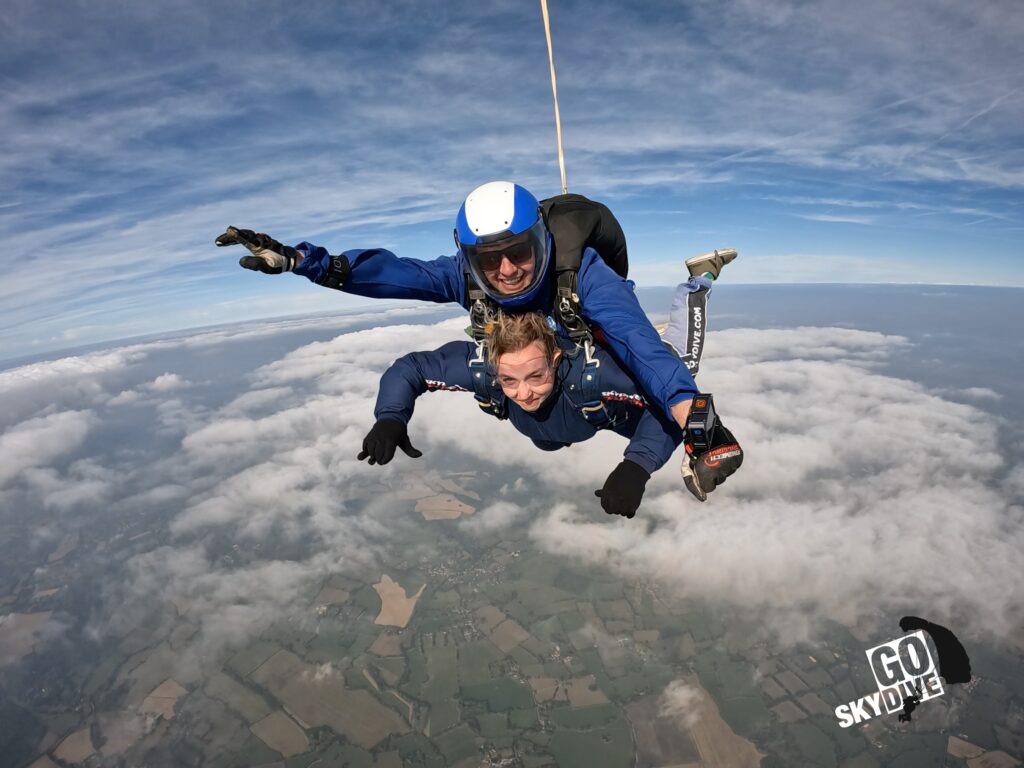
India takes on charity skydive to become our latest Gale-force fundraiser
Scar Free Ambassador India Gale took on the skies – and raised almost £4,000 for The Scar Free Foundation!
Read: India takes on charity skydive to become our latest Gale-force fundraiser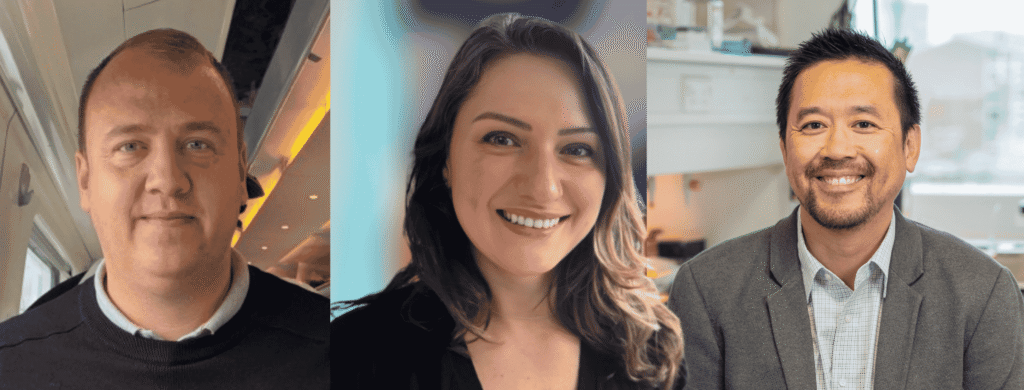
Join us in Manchester on Tuesday 29 September for our next Community Event
Everyone is welcome at the third of our free, informal Community Events on 29 September, featuring a talk from Plastic Surgeon Jason Wong, top tips from scar specialist Anca Bratu, and more info about us from Rob, our Head of Fundraising.
Read: Join us in Manchester on Tuesday 29 September for our next Community Event