Ada’s story
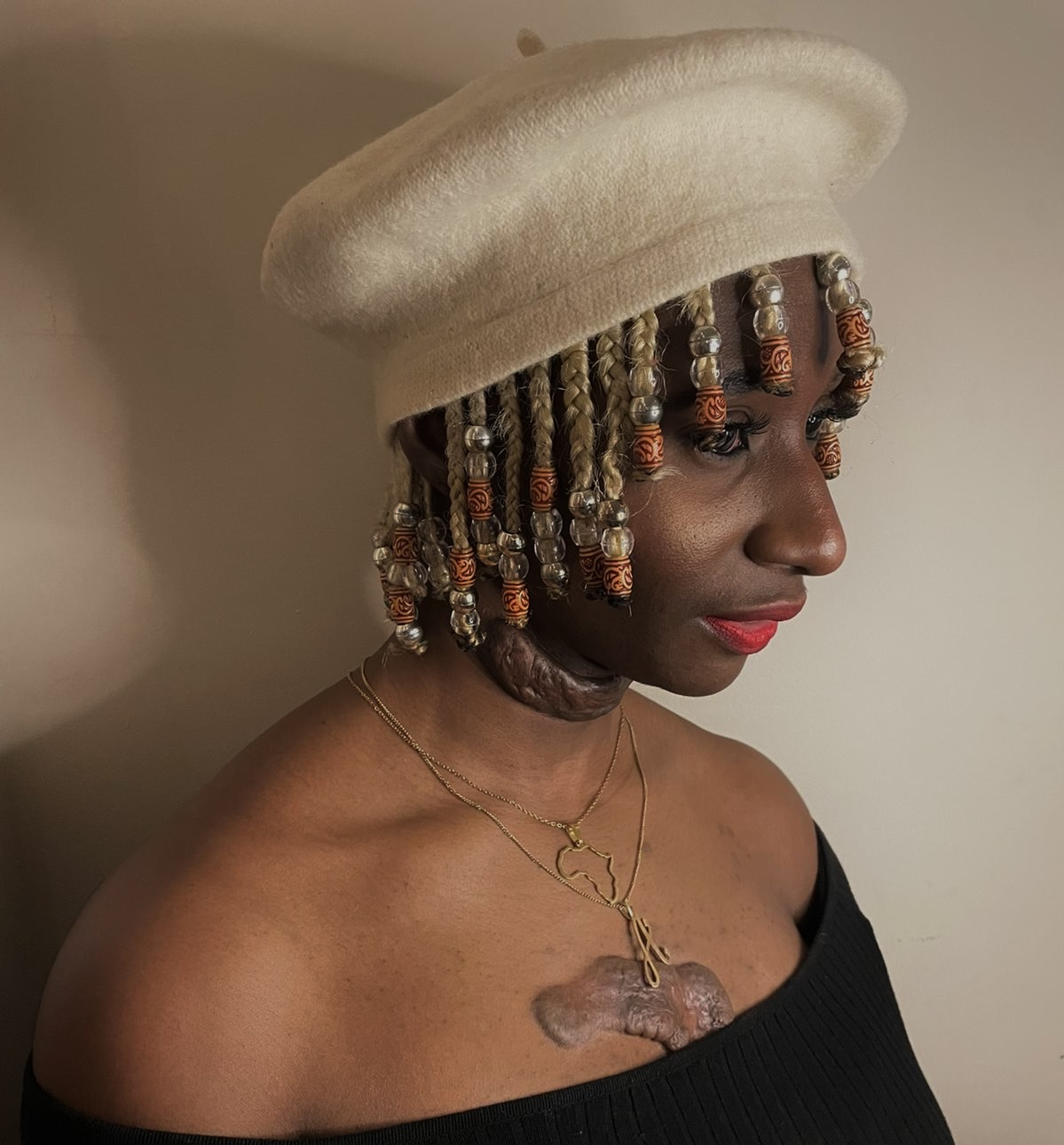
LIVED EXPERIENCE OF KELOID SCARS
Ada developed keloid scars following surgery and an ingrown hair, and spent years seeking treatment to remove them. Ada’s experience eventually inspired her to share her story publicly and advocate for others living with keloid scars.
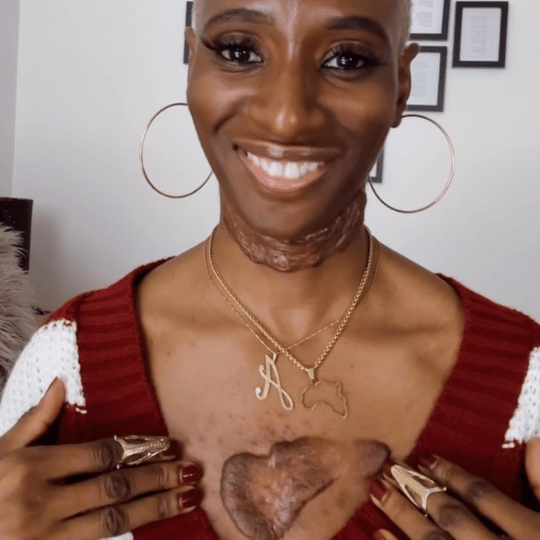
My name is Ada Osigwe. I’m from Manchester, I’m a business owner, content creator and advocate for people living with keloid scars.
For most of my adult life, I struggled deeply with my keloid scars. I’m living with them a little better now, and I do see that as progress, but I’m still very much on that journey. Some days I feel confident enough to show them, and other days I still want to cover them. I don’t think self-acceptance happens overnight, and for me it certainly hasn’t.
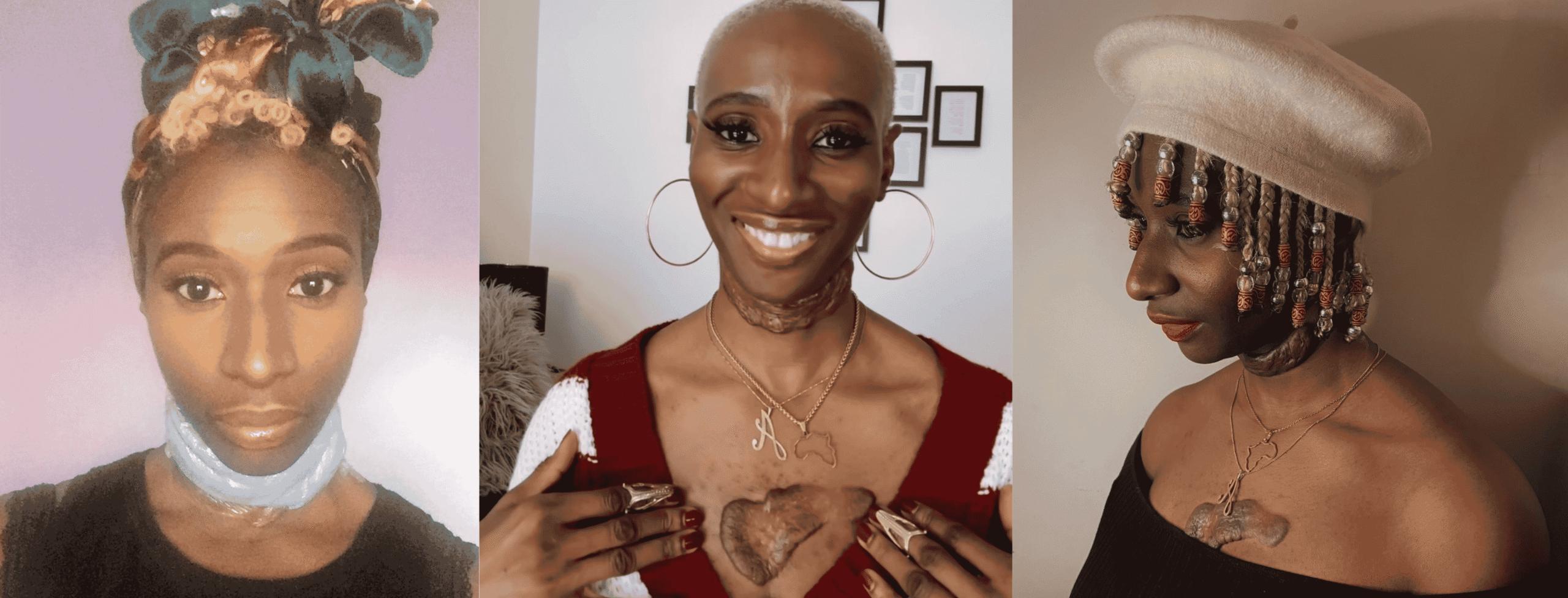
My keloid scar on my neck developed following surgery, and the one on my chest developed from an ingrown hair that I tried to pick out. Over the years, I went through different treatments, more so with the keloid on my neck, hoping that eventually they would disappear. For a long time, that was what I wanted more than anything. I didn’t see my scars as something I could accept. They were something I wanted to get rid of.
I became very conscious of them and spent most of my adult life covering them up. The clothes I wore were often chosen around whether they would hide the keloid scars on my neck and chest.
“I was very aware of people looking at them, asking questions or simply noticing something about my skin that made me different”
Ada OsigweGrowing up and throughout much of my adult life, I also never saw people with skin like mine represented. We are surrounded by messages about quick fixes and images and language that celebrate “perfect” and “flawless” skin, but I never saw keloids reflected within that.
Eventually, I reached a point in my treatment where I was told that the NHS had exhausted the treatment options available to me.
That was incredibly difficult to hear. For years, I had held onto the hope that the next treatment might finally be the one that removed my scars. Suddenly, I had to confront the possibility that they might always be part of me.
In many ways, that became the beginning of a completely different kind of healing.
Instead of focusing entirely on changing my scars, I slowly began working on changing the way I saw myself.
I started sharing more of my experience publicly, initially simply as part of my own journey towards accepting my scars. I never set out thinking that I would become an advocate or that other people would look to me for representation.
Then somebody left a comment on one of my posts that said:
“Keep it up…I need someone I can relate to.”
That comment has stayed with me.
“I had spent so many years struggling to relate to or accept my own scars that it had never occurred to me that somebody else living with keloids might see themselves in me”
Ada OsigweAs I continued sharing, more people began contacting me about their own experiences. Some had spent years covering their scars. Others spoke about confidence, treatment, being stared at or feeling as though nobody around them really understood what living with keloids was like.
That was when I realised that sharing my story had become about something much bigger than me.
Today, I want to use my lived experience to help people feel less alone, encourage more open conversations around keloids and challenge the idea that skin has to look a certain way to be considered beautiful or acceptable.
“I also care deeply about what happens next in research and treatment”
Ada OsigweBeing told that all available treatment options had been exhausted made me realise how important continued research is. I want people living with keloids in the future to have more options, better access to specialist support here in the UK and greater hope than simply being told that nothing more can be done.
I also believe there needs to be a stronger bridge between researchers, healthcare professionals and the people actually living with scars. People with keloids should be involved in deciding which research questions matter, rather than simply being researched on. We need to be part of the conversation.
If researchers and healthcare professionals have a better understanding of what it is really like to live with keloids, not only physically, but emotionally and socially as well, then I believe that creates a much stronger starting point for meaningful research and better care. Lived experience can provide insight that clinical data alone cannot, and by bringing those perspectives together, I hope we can help shape research priorities, improve understanding and ultimately contribute towards developing better treatment options.
That is why becoming an Ambassador for The Scar Free Foundation means so much to me.
“The Scar Free Foundation’s commitment to putting lived experience at the heart of research strongly reflects what I believe in, and I am genuinely honoured to have the opportunity to contribute my voice, my story and my experience to their work”
Ada OsigweMy scars are still part of me, and I would be lying if I said they no longer affect how I see myself. They still do. I still have good days and bad days. Some days I want to show them, and other days I still feel the instinct to cover them.
But I am in a very different place from where I started. I’m learning to live with them more openly, to be kinder to myself and to understand that acceptance is a journey rather than somewhere I should have already arrived.
I’m still at the beginning of that journey in many ways, and I think it is important to be honest about that.
If sharing my story helps somebody else feel seen, understood or a little less alone, while also helping to push forward greater understanding and better research into scarring, then sharing it is worth it.
We’re closer than ever to a world without scarring.
With your support, we can fund groundbreaking research that will unlock the secrets of scar free healing and transform the lives of people with scars, both now and in the future.
Behind every scar, there’s a story
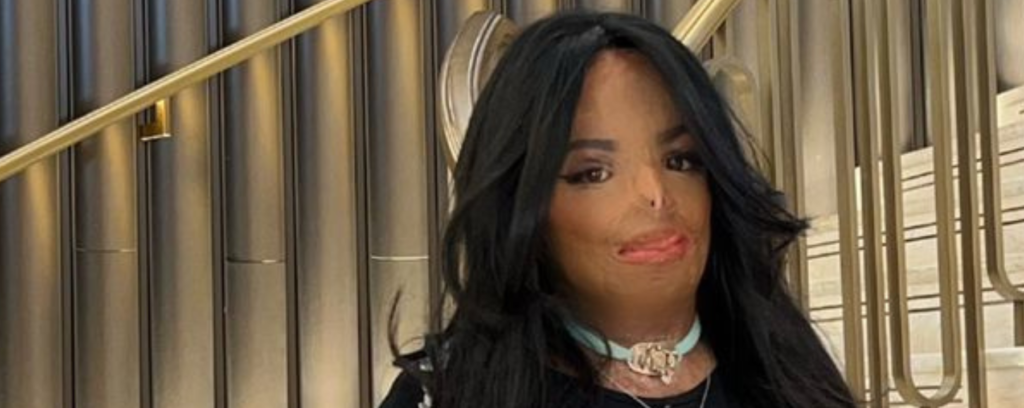
Aleema’s story
Aleema Ali survived burn injures to 55% of her body when she was 12 years old.
She is now a graduate and influencer, inspiring people through fashion, beauty, lifestyle, and messages of confidence and positivity.
Find out more about Aleema’s story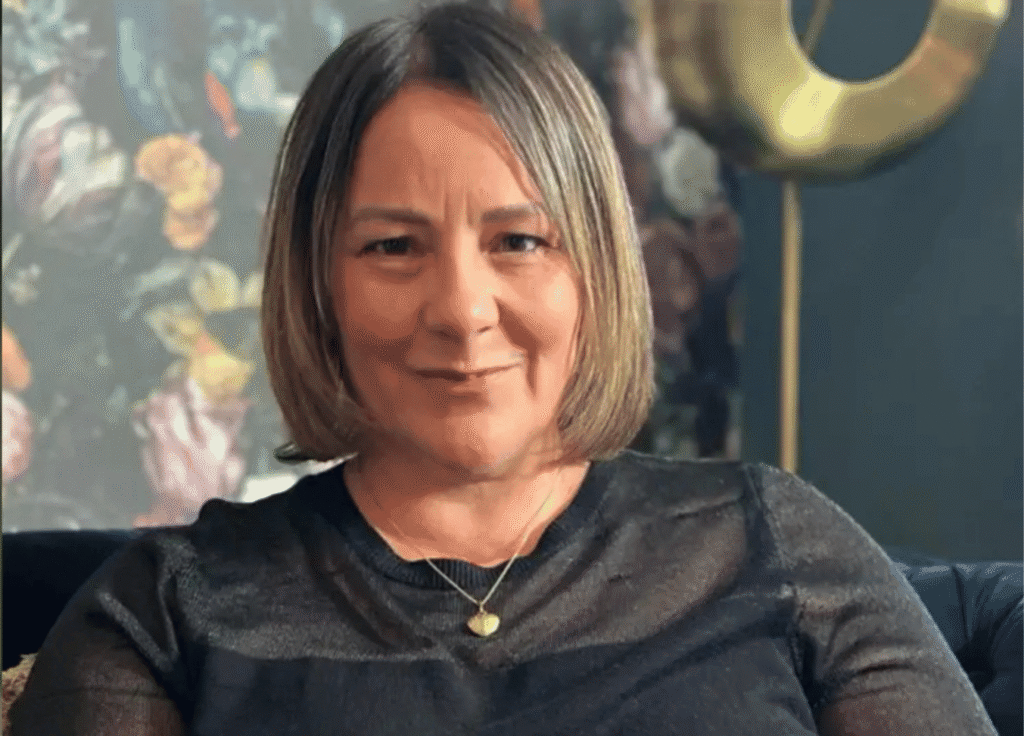
Sue’s story
Sue Greenwood survived the 7/7 London bombings, where she lost her leg and suffered severe scarring.
Sue is a research advocate, and recently spoke to the BBC about her experiences and The Scar Free Foundation.
Find out more about Sue’s story
Hemani’s story
Dr Hemani Modasia-Shah is a doctor, a mother, and a Trustee and Ambassador of The Scar Free Foundation.
Hemani survived burns on 30% of her body when she was just 18 months old.
Find out more about Hemani’s story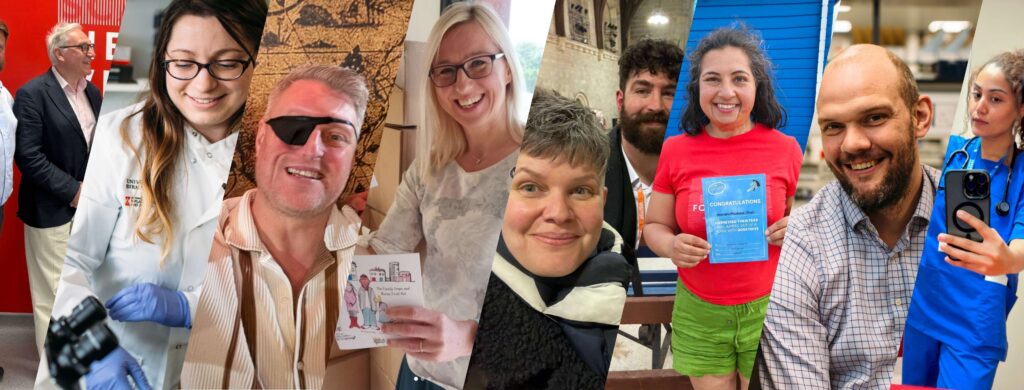
The Impact of Scarring: first-of-its-kind report to reveal true cost of scarring is now live
New report reveals the far-reaching and often overlooked impact of scarring on millions of people across the UK. Explore the physical, psychological, and economic costs in our report, and discover our Research Roadmap, designed to drive change.
Read: The Impact of Scarring: first-of-its-kind report to reveal true cost of scarring is now live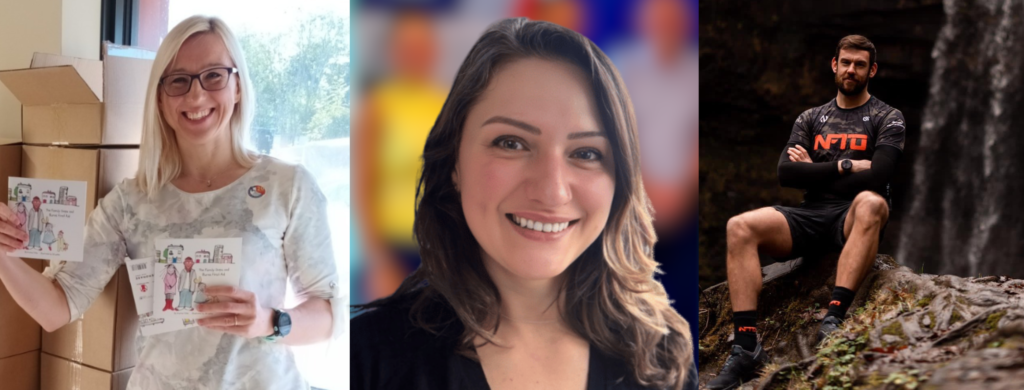
Join us in Chippenham on Tuesday 10 November for our next Community Event
Everyone is welcome at our next Community Event on 10 November, featuring a talk from Ben Gallagher, top tips from scar specialist Anca Bratu, advice from Krissie Stiles, and a panel featuring Richard Nugee.
Read: Join us in Chippenham on Tuesday 10 November for our next Community Event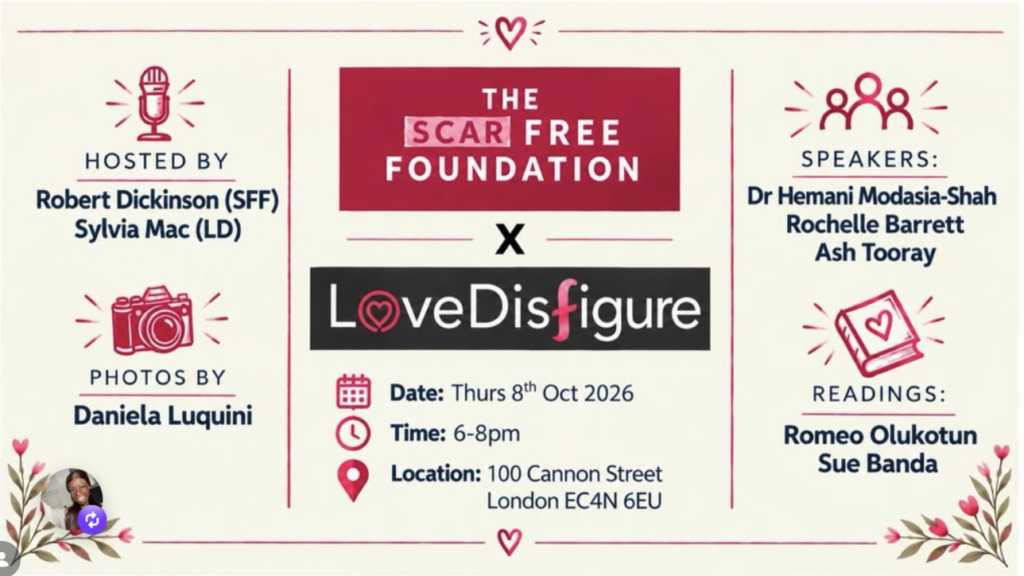
Join Love Disfigure and The Scar Free Foundation in London for an evening of creativity and connection
Come along to Cannon Street on Thursday 8 October for a very special event organised by burns survivor Sylvia Macgregor, founder of Love Disfigure.
Read: Join Love Disfigure and The Scar Free Foundation in London for an evening of creativity and connection